AI-Powered Solo Software Entrepreneurship
AI-Powered Solo Software Entrepreneurship: The Indie Hacker Playbook for 2024
The rise of AI-native development tools like Cursor, Devin, Claude Artifacts, and advanced reasoning models has sparked a heated debate in the software entrepreneurship space: does this shift mark the end of the solo founder’s golden age, or the start of a far more powerful era for independent builders? The consensus among industry analysts and experienced indie hackers is clear: the cost of building production-ready software has collapsed structurally and irreversibly, turning coding from a core barrier to a mere execution layer. But this shift brings as many risks as it does opportunities, and solo founders who want to thrive need to adapt their strategy fast.
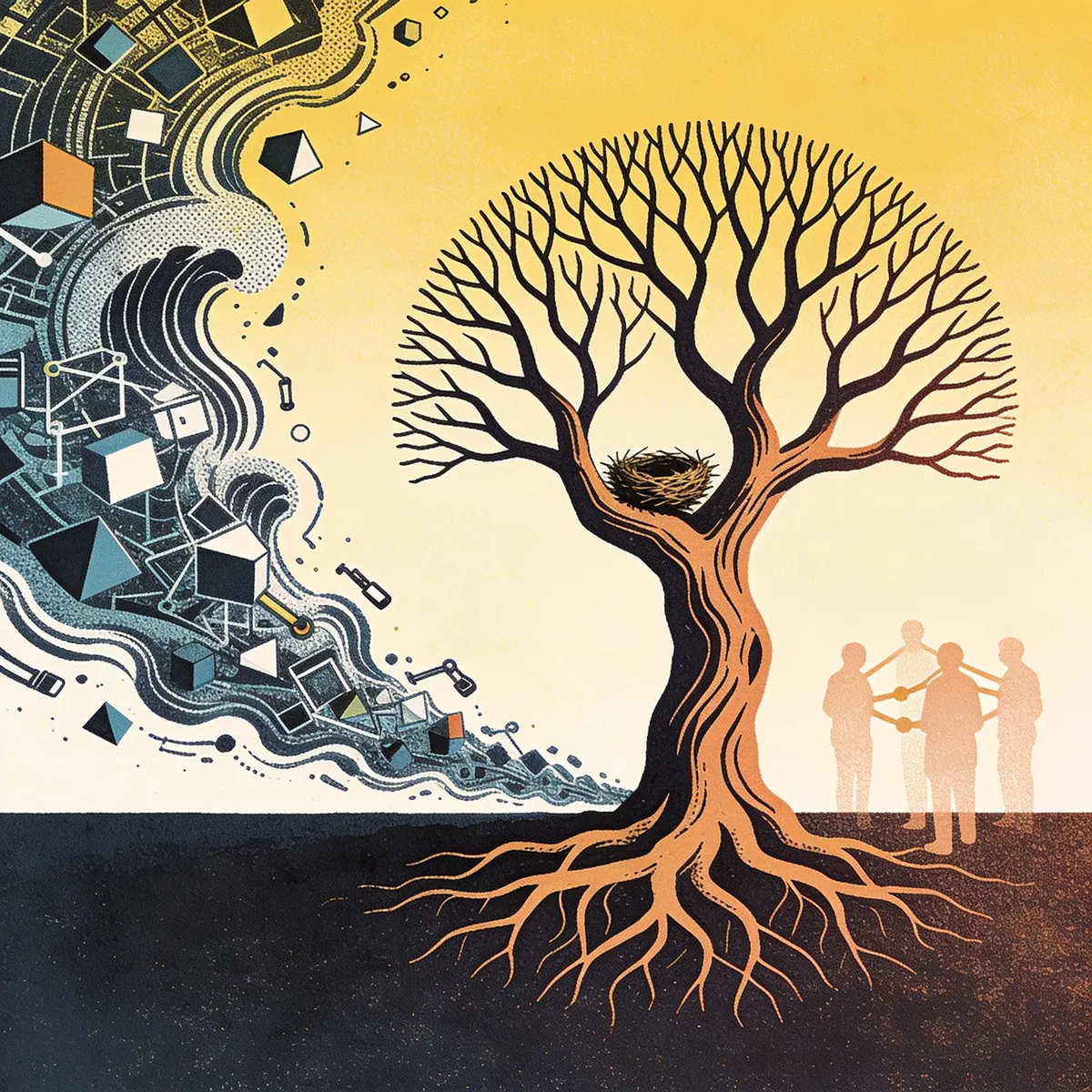
The Execution Bottleneck Is Gone—For Better and Worse
This shift has two near-certain consequences for the indie hacking community. First, the pool of people who can attempt to build a $1M ARR solo business has expanded exponentially. Anyone with a clear idea for a problem they can solve now has the tools to build a solution, no technical co-founder required. Second, the market is facing unprecedented saturation. The same tools that let you ship a product in a weekend let a thousand other founders ship a nearly identical product in the same weekend. Generic, horizontal, easy-to-clone software—basic CRMs, to-do lists, generic note-taking apps—will face commoditization faster than ever before, with no edge for "good" ideas alone.
Why "Build It and They Will Come" Is a Dead Strategy
The biggest threat to the modern indie hacker has never been technical difficulty—it’s attention. As the cost of production approaches zero, the volume of competing "good enough" products approaches infinity. Code hosting platforms are already flooded with duplicate, AI-generated repositories in every popular niche, evidence that synthetic cloning is now the dominant mode of new software creation, not the exception. Organic discovery has collapsed under the weight of near-identical offerings, and being good at building is no longer enough to get seen.
For solo founders, this means distribution is no longer a downstream concern to handle after you launch your product. It is the first and most decisive filter on whether your business survives. A founder without a pre-existing audience or mastery of automated distribution channels will struggle to get traction even if their product is 10x better than the competition.
- Generic, horizontal SaaS tools get buried in search results and app stores within weeks of launch, no matter how polished they are
- Solo founders relying solely on organic word-of-mouth will see negligible growth unless they already have a large, engaged following
- "Build and pray" launch strategies have a near-100% failure rate in 2024’s saturated market
The good news is that AI is not just a noise generator—it is also the most powerful distribution lever available to solo founders today. The same reasoning models that flood your niche with clones can also power hyper-personalized outreach, automated long-tail SEO, and targeted micro-campaigns that let you reach your exact audience before your competitors even finish building their clone.
Using AI to Build a Distribution Engine Before You Launch
For indie hackers, the smartest use of AI development time is not just building the product, but building the audience that will buy it. Start by validating your idea with a target niche before you write a single line of code: post about the problem you’re solving on niche forums, YouTube communities, or LinkedIn groups, and gauge interest. If you can get 100 people to sign up for a waitlist for a product that doesn’t exist yet, you’ve already eliminated the biggest risk of solo software entrepreneurship: building something no one wants.
Once you’ve validated demand, use AI tools to build a low-effort distribution pipeline. For example, if you’re building a SaaS for freelance wedding photographers, use AI to generate 50 long-tail blog posts targeting queries like "how to send client galleries automatically" or "best way to track print order deadlines for weddings"—queries that big, generic photo tools don’t target. Use AI to automate personalized outreach to photographers who post about their pain points on Instagram or TikTok, offering them early access to your tool in exchange for feedback. You can even use AI to build a free micro-tool (like a basic wedding timeline generator) to embed on your site, capturing email leads from people who are already looking for solutions to related problems. You can also sell small, related digital products on platforms like Gumroad to your target audience to build credibility and revenue before your full SaaS launches.
If you don’t have an existing audience, you can leverage freelance platforms like Upwork or Fiverr to offer niche services related to your SaaS idea. For example, if you’re building a tool for small bakeries to track custom cake orders, offer affordable custom order tracking spreadsheets to bakery owners on Fiverr first. This builds credibility, gives you direct insight into your target users’ pain points, and creates a base of early customers who will be eager to buy your software when it’s ready.
What to Build (and What to Avoid) for Solo Success
Avoid these generic, high-saturation categories:
- General-purpose CRMs, to-do apps, or note-taking tools
- AI chatbots or wrappers for generic use cases (e.g., "AI writing assistant" for general audiences)
- Basic e-commerce or inventory management tools for small businesses, unless targeted at an extremely specific niche
Focus on these high-potential, hard-to-clone categories:
- Niche SaaS for underserved professional groups: e.g., a tool for physical therapists to track patient home exercise adherence, a tool for indie game devs to manage asset licensing, a tool for freelance copywriters to track client revisions and billing
- Micro-SaaS that solves one specific, painful problem for a group you’re already part of: if you’re a woodworker, build a tool that calculates lumber cut lists and waste for DIY projects; if you’re a dog walker, build a tool that tracks client walks, potty breaks, and feeding schedules
- Workflow automation tools that connect two specific platforms no one else is connecting: e.g., a tool that syncs Etsy order data to QuickBooks automatically for handmade craft sellers, or a tool that pulls TikTok comment data into a Google Sheet for small creators
The most successful solo founders in this space are not the best coders—they are the people who know a specific niche better than anyone else, and can use AI development tools to build a solution that generic, mass-market tools can’t match.
The Indie Hacker Advantage in the AI Era
Take the example of a solo indie hacker who runs a 25,000-subscriber YouTube channel for DIY woodworkers. He noticed his audience complaining about how much time they spent calculating lumber costs and cut lists for projects, so he used Cursor to build a simple micro-SaaS that automates those calculations. He validated the idea with his audience first, offering early access to 100 subscribers for $5 a month, before he’d even built the full feature set. Within 6 months, the tool was generating $3,200 in monthly recurring revenue, with almost no marketing spend beyond his YouTube channel. He didn’t need to be a senior developer, he just needed to know his niche better than any big tech company ever could.
For modern software entrepreneurship, the moat is no longer coding skill. It’s niche expertise, audience trust, and distribution know-how. AI tools amplify all three: they let you build faster, reach your audience more effectively, and iterate on your product based on real user feedback in days, not months.
The Future of Solo Software Entrepreneurship Is Bright—If You Adapt
The collapse of the cost of software development is not a threat to indie hackers—it’s an opportunity. The golden age of solo software entrepreneurship is not over; it has just shifted. The founders who will thrive are the ones who stop competing on coding speed, and start competing on niche insight, distribution mastery, and the ability to solve specific, painful problems for groups they understand deeply. AI is the tool that makes this possible for more people than ever before, but only if you use it to build both a great product and a path to reach the people who need it.
To accelerate your development cycle, you might find these real-world AI monetization case studies helpful for identifying profitable niches.